The Importance of Documenting Training and Exercises
In this 19th episode of our Whiteboard Wednesday video series, Rob has a chat from home about the importance of documenting your training and exercises.



The role of the Crisis Coordinator is one that is vital to an organization’s crisis preparedness. This person ensures that the Crisis Management Team is properly trained and exercised, that the Crisis Management Plan is up-to-date and maintained, and that crisis response activities are executed effectively. There are also responsibilities after the crisis has ended…
In this 8th episode of the Whiteboard Wednesday video series, Rob talks all about Horizon Scanning. “Understanding our vulnerabilities requires visibility throughout the whole organization.”

Your Path to Crisis Management Excellence Starts Here In today’s unpredictable world, crisis preparedness is critical to organizational success. PreparedEx is proud to introduce vExPro™, a best-in-class service designed to elevate your crisis management capabilities through expertly crafted exercises, continuous support, and strategic advisory. What is vExPro™? vExPro™ isn’t just another crisis management service—it’s a…
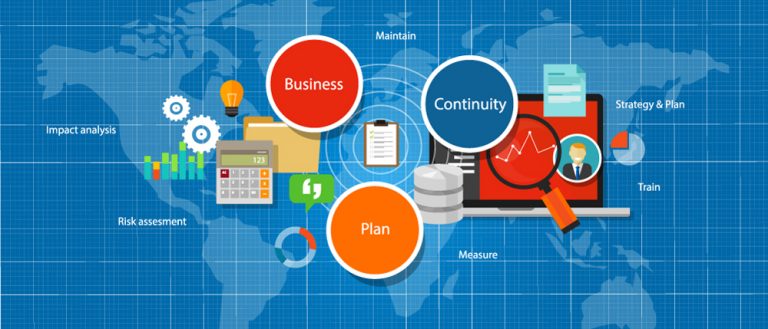
Let me begin by stating my position very clearly: I do not write scenario-based business continuity plans. I don’t think that it’s appropriate to base your continuity protocols on a series of unfortunate events so specific that your strategy is obsolete if the disaster isn’t a power outage on a Tuesday afternoon in May. That…

To NASA, fifty years ago and up to this day, NASA’s life-or-death learning is achieved through emergency simulation exercises. Gerry Griffin knows a thing or two about responding to risks. He was the Mission Control flight director for all of NASA’s Apollo Program manned missions, including all six lunar landings. When asked in a…

Every company should plan for crises, and it’s never too early to start. Planning ahead is the best way to reduce financial and reputational impacts of a crisis on your organization. Here are three advantages of planning for crises: 1) better understanding what resources are needed to weather the storm; 2) look for new opportunities…

Thank you for your comment, Allan. We often call those lessons “lessons-to-be-learned”
We have recognised this challenge by Site Leaders
Review of the training conducted, the lessons learned and the actions to improve with an action closure plan and persons assigned to close out actions