The Importance of Documenting Training and Exercises
In this 19th episode of our Whiteboard Wednesday video series, Rob has a chat from home about the importance of documenting your training and exercises.



In today’s business landscape, resilience isn’t just an added benefit—it’s essential. Establishing a robust resilience strategy is paramount as companies grapple with an ever-evolving array of disruptions, from cyber threats to supply chain challenges. The Resilience Program Maturity Assessment (RPMA) is a powerful tool designed to help organizations gauge and enhance their resilience programs, ensuring…

We often get asked the same preparedness questions. These questions come from our online audiences as well as our clients during crisis simulation exercises or in everyday discussions. We decided to do this podcast based on these common questions. In this episode we discuss, risk assessments, crisis planning, different types of plans, simulation exercises and…

Series authors: Mark Hoffman and Milena Maneva Previous article: Return-to-Office: Sample Return-to-Office Protocol This is the final installment of our five-part series on Return-to-Office. Milena and I want to thank you for following our series and offer a special thanks to those of you who joined our webinar. In this final segment, we…

November 13, 2024 – In a world where resilience has become an essential component of business strategy, PreparedEx is excited to announce the launch of its latest offering, the Resilience Program Maturity Assessment (RPMA). This new service is designed to provide organizations with a comprehensive evaluation of their resilience programs, covering crisis management, business continuity,…
Enhancing an organization’s effectiveness to respond through the use of monitoring and a corrective action process – by troubleshooting operations. By assessing the level of functioning, and using corrective actions during the response effort, an organization can improve outcomes and increase the level of nimbleness within the team structure – adapting based on what is…
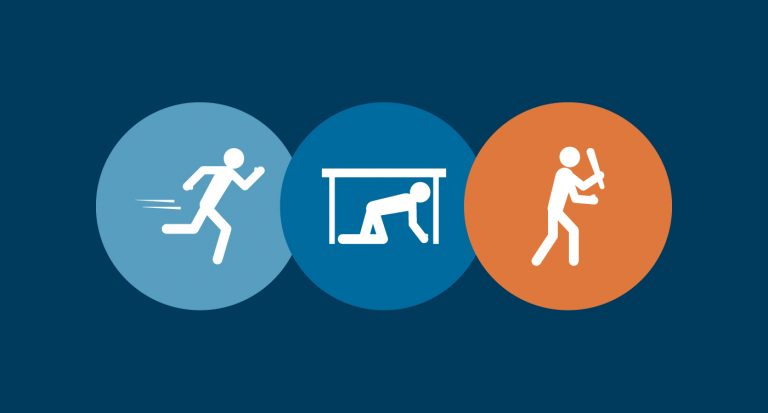
Does your organization have a workplace violence policy? Are there procedures to follow? Has your organization conducted an active shooter or other violent intruder drills or exercises? Are your staff and other key stakeholders prepared for such an attack? How would your staff respond and how would you manage the event? Answers to the above…
Thank you for your comment, Allan. We often call those lessons “lessons-to-be-learned”
We have recognised this challenge by Site Leaders
Review of the training conducted, the lessons learned and the actions to improve with an action closure plan and persons assigned to close out actions