Is it an Issue or a Crisis?
In this first episode of the Whiteboard Wednesday video series, Rob Burton discusses the characteristics of an issue vs. a crisis.



The saying “a picture paints a thousand words” has never been as true in the world of simulation exercises. The only difference is that it’s not just pictures that can create realism and keep participants engaged. It has never been easier to create simulation videos, audio recordings, manipulated images, simulated social media and much more….
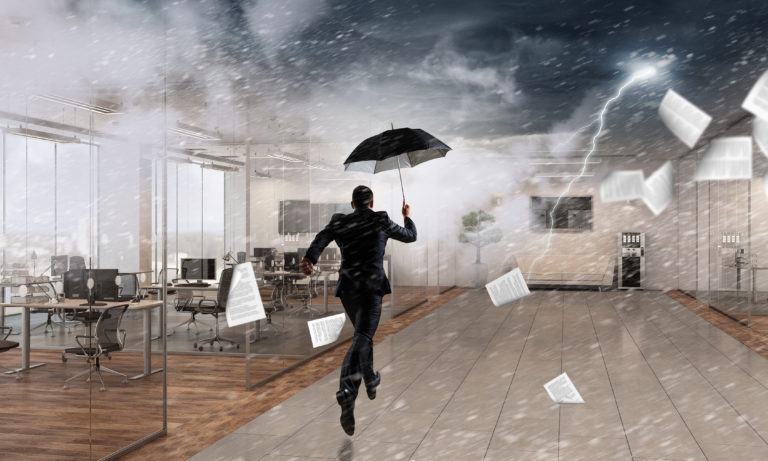
Guest Author – Natalia Andrew Any unforeseen event that causes fear and anxiety, and threatens to destabilize a company is called a business crisis. Through proper training, contingency planning, and sharp decision-making, many established businesses have been able to weather these crises over the years. Below we’ve outlined the most common examples that business managers…

Carnival Cruise Line faced a serious threat to its people, passengers, and public image when a ship lost power due to an engine room fire in the Gulf of Mexico. Within a few hours, some of the ship’s 4,000 passengers began sharing stories through social media and cell phones. Friends and family of the stranded…

In episode 14 of the PreparedEx podcast we discuss the development of a hurricane exercise and scenario. We walk through the various stages of creating the objectives and scenario as well as discuss how we put the various multi-media visuals together. Our creative manager, Jenny Svenstrup joins in the conversation which includes how she works…
The 5 Steps to Creating and Delivering Tabletop Exercises was designed to help organizations improve their existing crisis simulation exercises or create new ones that are engaging and professional. In this short video clip from the Crisis Coordinator Webinar Series, Rob Burton discusses why the 5-step process was created. Do you have questions regarding The 5-Step Process? …
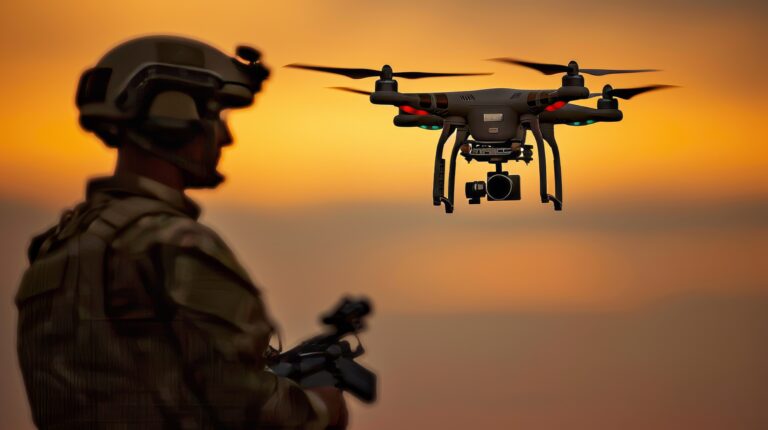
A drone operator supporting infrastructure inspections overseas wakes up to find their systems locked. A message flashes across the screen—data exfiltrated, operations halted. The next day, a protest formed outside their regional office. Demonstrators accuse the company of enabling surveillance and military operations for a foreign adversary—activities they claim have been linked to violations of fundamental human rights, from…
Interesting. Loss of electricity for 16 hours and a broken water main involving over 500 residential homes can become a crisis easily. We had increased crime and many of us had to arm ourselves to fend off would-be petty thieves because there were hardly any police squad cars in the area the entire time. There was no way to contact fire department. Apparently cellular phones were inoperative at the time. Amateur radio was useless in this area as well. I could go on and on. Fortunately, no conflagrations occurred and I do not know why not but I am glad for it. A little help with a police or fire vehicle using driving down the main cross street could have told us something that was going on. An extra addition to a patrol route would also have been nice. But no. No one really cares. So, if you have no electricity, our local history says you are on your own and good luck.