
Latest News and Articles

How AI Agents Are Transforming Crisis Management and Simulation Exercises
Crisis management has always required speed, clarity, and coordination under pressure. Yet many organizations still rely on manual processes, static plans, and inconsistent training approaches. As threats become more complex,…

An Essential Tool in the Creation of Full-Scale Exercises: The Exercise Plan
A key tool in the creation of full-scale simulation exercises is the Exercise Plan. Simulation exercises, especially those that are full scale, typically take months to plan and need to be well designed. Having an Exercise Plan will help you stay organized and on track as you make your way…
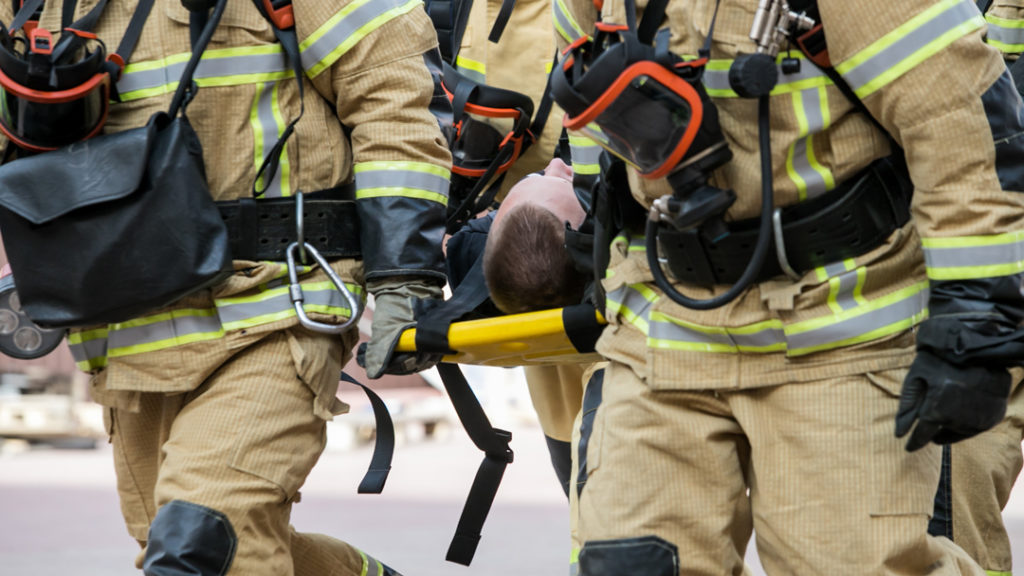
How to Conduct a Full-Scale Simulation Exercise for Your Company
Optimizing an organization’s crisis preparedness requires going beyond the often disjointed, conventional scope of emergency management practices. Optimal preparedness requires embracing a more holistic, or “full-scale,” approach to crisis simulation exercises. In contrast to smaller “table-top” exercises or drills, a full-scale exercise is the closest thing to a real event…

Is VR The Future Of Crisis Management Preparedness?
Article written by Dani Andrews Most companies would say that the most important lesson they learned since the beginning of the pandemic was to be prepared for the unexpected. Issues like unforeseen supply chain issues and nationwide lockdowns have proven how essential it is to include crisis preparedness in training programs. Sitting…

Why Organizations Fail During Cyber-Attacks
The number of cyber-attacks has been on the rise in recent years. In most cases, organizations fail during a breach because they were not prepared for it. Crisis management teams are often disorganized and lack clear direction, which leads to less than desirable responses and management of incidents. In this…

4 Steps to Creating a Crisis Management Team Training Program
When your company is faced with a crisis, you need to have a plan of action. This includes knowing how you’re going to communicate what has happened and who will be in charge of handling it. The more prepared your team members are for this eventuality, the better they will…

The Importance of Simulation Exercises for Your Organization
It’s time to take a step back and look at all of the contingencies that you have in place. How are your employees trained? What is your plan for when an emergency situation arises? You may think that it will never happen, but who would’ve thought we’d be dealing with…