
How AI Agents Are Transforming Crisis Management and Simulation Exercises
Crisis management has always required speed, clarity, and coordination under pressure.
Yet many organizations still rely on manual processes, static plans, and inconsistent training approaches. As threats become more complex, ranging from cyber incidents to geopolitical disruptions – the need for faster, more adaptive response capabilities has never been greater.
Artificial Intelligence (AI) agents are emerging as a powerful force in this evolution. When deployed effectively, they can enhance crisis response, streamline simulation exercises, and provide measurable improvements in organizational resilience.
This blog explores how AI agents can transform crisis management and simulation programs, helping organizations improve response effectiveness, benchmark performance, and continuously elevate their preparedness.
What Are AI Agents in the Context of Crisis Management?
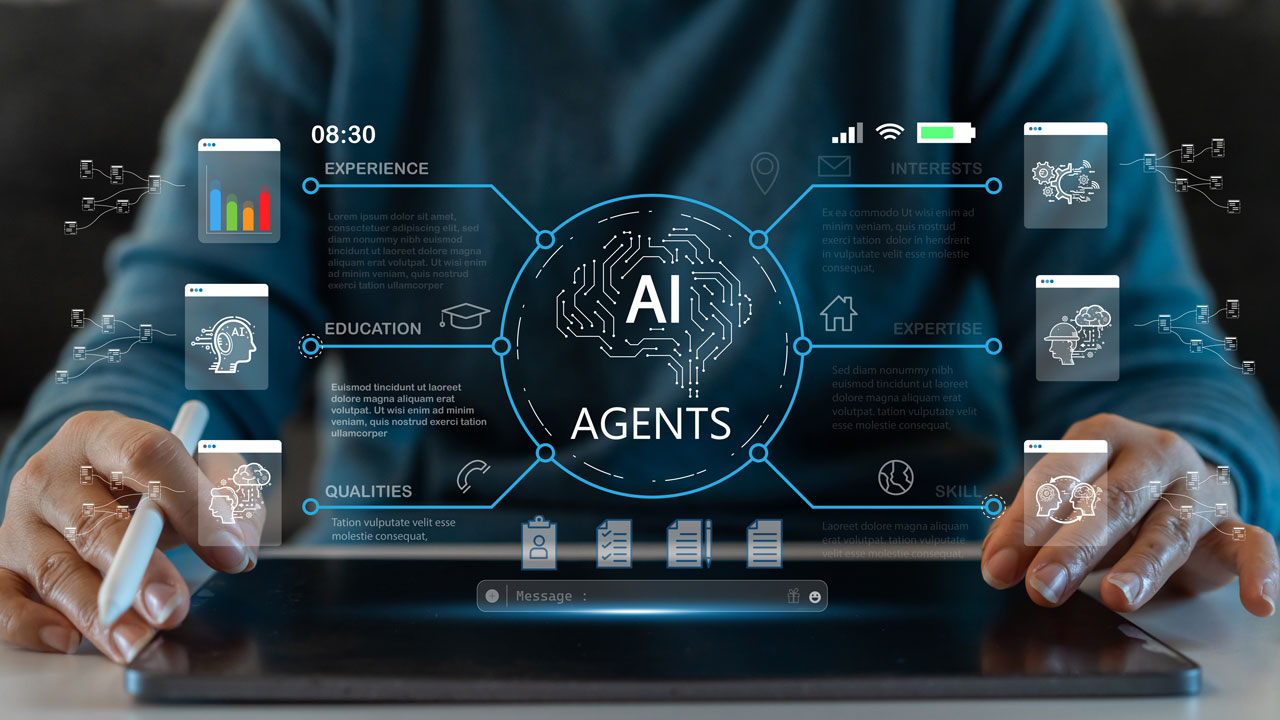
AI agents are purpose-built systems designed to perform specific tasks autonomously or semi-autonomously. In crisis management, they act as intelligent assistants that can analyze information, generate insights, and support decision-making in real time.
Unlike traditional automation, AI agents can:
- Interpret context and evolving scenarios.
- Generate dynamic outputs (e.g., reports, scenarios, communications)
- Learn from past incidents and exercises.
- Integrate across systems and workflows.
This makes them particularly valuable in high-pressure environments where time and accuracy are critical.
Enhancing Real-Time Crisis Response with AI Agents
1. Faster Decision Support
During a crisis, leaders are often overwhelmed with fragmented information. AI agents can consolidate inputs from multiple sources such as threat intelligence feeds, internal reports, and external news and present a clear operational picture.
Impact:
- Reduces time to decision
- Improves situational awareness
- Supports executive-level briefings in real time
2. Automated Communications Drafting
AI agents can generate initial drafts of internal and external communications, including:
- Executive updates
- Employee notifications
- Media holding statements
Impact:
- Ensures consistency in messaging
- Accelerates communication timelines
- Reduces pressure on communications teams
3. Playbook and Plan Activation
AI agents can map unfolding events to existing crisis management plans and recommend appropriate actions.
Impact:
- Improves adherence to established protocols
- Reduces reliance on memory under stress
- Enhances coordination across teams
Transforming Simulation Exercises with AI
Simulation exercises are critical to preparedness—but they are often time-intensive to design and inconsistent in execution.
1. Rapid Scenario Generation
AI agents can generate tailored crisis scenarios based on:
- Industry-specific risks
- Geographic threat profiles
- Organizational maturity levels
Impact:
- Reduces design time by up to 70%
- Enables more frequent exercises
- Expands scenario diversity
2. Dynamic Exercise Facilitation
Instead of static scripts, AI agents can inject real-time updates based on participants’ decisions.
Impact:
- Creates more realistic and adaptive exercises
- Tests decision-making under evolving conditions
- Enhances participant engagement
3. Personalized Participant Experiences
AI agents can tailor injects and challenges based on roles (e.g., CISO vs. CEO).
Impact:
- Increases relevance for each participant
- Strengthens role-specific capabilities
- Improves learning outcomes
Improving Benchmarking and Performance Measurement
One of the most significant advantages of AI agents is their ability to standardize and analyze performance data.
1. Consistent Scoring Frameworks
AI agents can apply structured scoring models across exercises and incidents, ensuring consistency.
Impact:
- Enables accurate benchmarking over time
- Reduces subjectivity in evaluations
- Supports maturity assessments
2. Real-Time Performance Analytics
During exercises or real incidents, AI agents can track:
- Decision timelines
- Communication effectiveness
- Escalation patterns
Impact:
- Provides immediate feedback
- Identifies gaps as they occur
- Supports continuous improvement
3. Lessons Learned and Continuous Improvement
AI agents can synthesize observations into structured after-action reports, highlighting:
- Key strengths
- Critical gaps
- Actionable recommendations
Impact:
- Accelerates reporting timelines
- Improves quality and consistency
- Ensures lessons are captured and operationalized
Driving Efficiency Across Crisis Management Programs
AI agents not only enhance outcomes but also improve operational efficiency.
Key Benefits:
- Reduced manual effort in exercise design and reporting
- Standardized deliverables across engagements
- Faster onboarding of new team members
- Improved knowledge retention and reuse
For organizations managing multiple exercises annually, these efficiencies translate into significant cost savings and scalability.
Enabling Scalable, Data-Driven Resilience Programs
AI agents allow organizations to move from one-off exercises to continuous readiness programs.
What This Looks Like:
- Regular micro-simulations instead of annual exercises
- Ongoing performance tracking and benchmarking
- Data-driven insights guiding program improvements
- Integration with broader risk and resilience frameworks
This shift transforms crisis management from a reactive function into a proactive, continuously improving capability.
Considerations for Implementation
While the benefits are significant, organizations should approach AI adoption thoughtfully.
Key Considerations:
- Human Oversight: Maintain expert validation for critical outputs
- Data Security: Use secure environments, especially for sensitive scenarios
- Customization: Train agents on organizational processes and frameworks
- Integration: Align AI tools with existing platforms (e.g., Microsoft Copilot, Teams)
Conclusion
Frequently Asked Questions (FAQs)
How do AI agents improve crisis management?
AI agents improve crisis management by accelerating decision-making, automating communications, and providing real-time insights during incidents.
Can AI be used in tabletop exercises?
Yes, AI can generate dynamic scenarios, injects, and performance analytics, making tabletop exercises more realistic and effective.
What are the benefits of AI in incident response?
AI enhances speed, consistency, benchmarking, and continuous improvement in incident response programs.
Are AI agents secure for use in crisis management?
When deployed in secure environments such as Microsoft Azure, AI agents can safely support sensitive crisis management operations.
AI agents represent a fundamental shift in how organizations prepare for and respond to crises. By enhancing real-time decision-making, transforming simulation exercises, and enabling consistent benchmarking, they provide a powerful pathway to improved resilience.
For organizations looking to streamline their crisis management programs and elevate response effectiveness, AI agents are no longer a future concept—they are a strategic necessity.
The organizations that adopt them early will not only respond faster but will learn faster, adapt faster, and ultimately outperform their peers in times of crisis.
About PreparedEx
PreparedEx helps organizations build, validate, and strengthen their crisis management and incident response capabilities through expert-led assessments, simulation exercises, and advisory services. By integrating advanced methodologies with emerging technologies such as AI, PreparedEx enables clients to achieve measurable resilience and operational excellence.



Add your first comment to this post