Exercise Process
In this 14th episode of the Whiteboard Wednesday video series, Rob discusses the 5-steps of the Exercise Process.


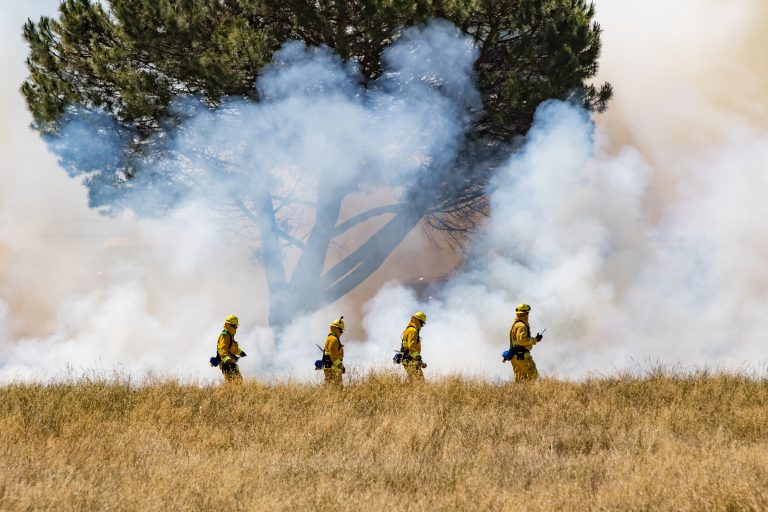
As the fall out is being assessed from this year’s major wildland fires on the U.S. west coast and in the Canadian context, the most costly disaster in Canadian history “the Fort McMurray Fire” risk assessors and public policy analysts are re-considering our planning and preparedness models. Wildfire incidents in North America are increasing in…

Crisis response strategies are purposeful actions taken to reduce the negative effects of a crisis on an organization and its stakeholders, and are critical resources for limiting negative effects on the organization’s reputation. The dynamic nature of crises make it difficult to plan for specific responses, so it important to be flexible. In this short…
The Tabletop Exercise is a facilitated, group analysis of an emergency situation in an informal, stress-free environment. The Tabletop Exercise is designed for examination of operational plans, problem identification, and in-depth problem solving. In this short video clip from the Crisis Coordinator Webinar Series, Rob Burton describes the most common and widely used exercise type,…

A crisis can happen to any organization, no matter how big or small. When a crisis does occur, it is important that the leadership team is prepared to handle it effectively. Unfortunately, many organizations fail in crisis management due to a number of reasons. In this blog post, we will outline ten of the most…

During the month of May, Rob Burton is focusing on Horizon Scanning and why this tool should be implemented into your crisis management team’s tool kit. Predicting Crises Through Horizon Scanning Horizon Scanning is a systematic examination of potential threats, opportunities and future developments, which may have the potential to create new risks or change the character of…

In the May 4th New Yorker, Malcolm Gladwell wrote an article called, “The Engineer’s Lament: Two ways of thinking about automotive safety.” To the engineer, Gladwell writes, a car’s safety lies on a continuum of extremes ranging from totally unsafe to completely safe. In contrast, the public’s view, and, usually, the view of non-technically trained public…
Add your first comment to this post