I Just Want To Say, Thank You!
From Podcasts to Blogs to Videos – We’re all about sharing experiences and lessons in Crisis Management.
We appreciate all of you. Please don’t stop providing us with feedback!

We appreciate all of you. Please don’t stop providing us with feedback!

Conducting a Resilience Program Maturity Assessment (RPMA) is critical in understanding an organization’s resilience level and readiness to withstand disruptions. This process is invaluable for identifying strengths, gaps, and areas for improvement, allowing businesses to make informed decisions about their resilience programs. PreparedEx’s RPMA service is designed to guide organizations through a structured, efficient, and…
Crisis Management Teams Should Always Have a Toolkit That Supports Them During the Crisis. One of the questions that I get asked most often is “what are some of the most common mistakes you see as you visit various clients?” Other than companies not being committed to exercising (another article, another time) my biggest concern…
We specialize in chaos. In fact, we create chaos by developing simulated crisis exercises that test and validate crisis teams at all levels of an organization. In this blog I’m going to discuss three crisis scenarios that we have found to be of serious concern to organizations in various sectors. There are three kinds…

During the month of May, Rob Burton is focusing on Horizon Scanning and why this tool should be implemented into your crisis management team’s tool kit. Predicting Crises Through Horizon Scanning Horizon Scanning is a systematic examination of potential threats, opportunities and future developments, which may have the potential to create new risks or change the character of…
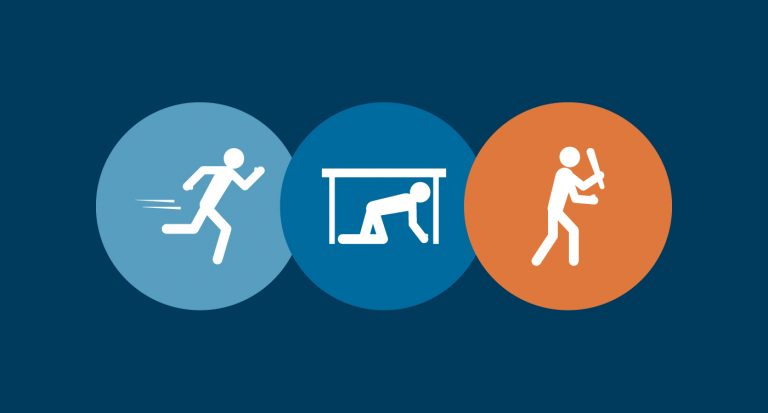
Does your organization have a workplace violence policy? Are there procedures to follow? Has your organization conducted an active shooter or other violent intruder drills or exercises? Are your staff and other key stakeholders prepared for such an attack? How would your staff respond and how would you manage the event? Answers to the above…

Having perspective is always a good thing. In this interview, Joe McEnness, Executive Director – Office of Risk Management of the Catholic Church in Boston, discusses crisis preparedness. Having a plan is one thing, knowing how to implement that plan during a crisis is a totally different matter. Practicing the plan and ensuring your team…
Add your first comment to this post