

AI Can’t Read the Room: Why Human Facilitators Are Still the Most Powerful Tool in Crisis Preparedness
By an exercise facilitator who has run hundreds of simulations, watched leadership teams under pressure, and learned one essential truth: when people are stressed, technology steps aside and the human element takes over.
1. Imagine this
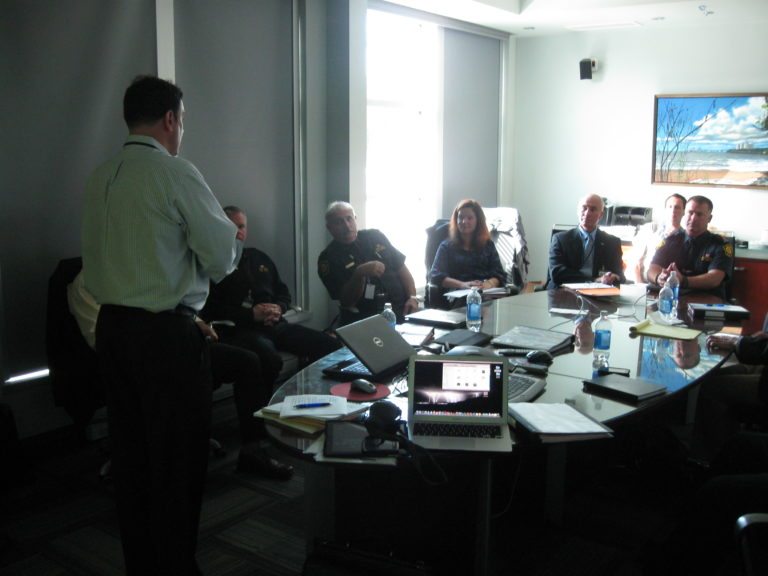
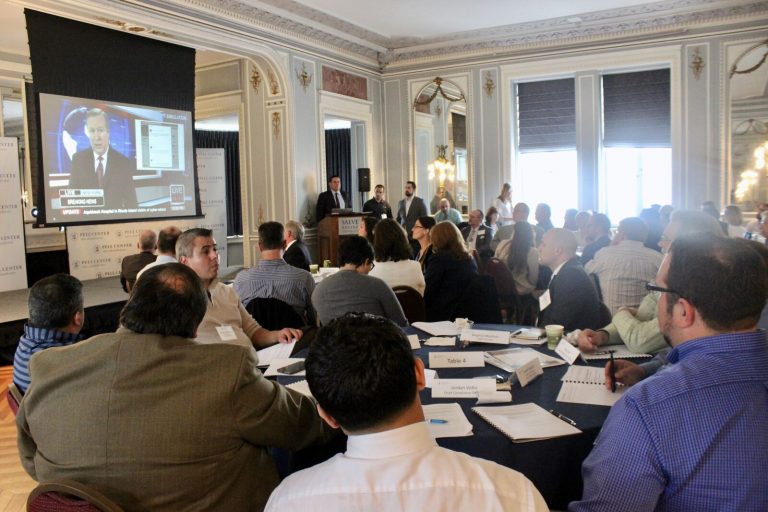
You’re facilitating a cyber breach exercise for your global financial firm. Ten minutes in, the CISO begins speaking rapidly—too rapidly. The operations lead crosses their arms, leans back, and avoids eye contact. The communications director glances repeatedly at her phone, waiting for approval on messaging that hasn’t arrived. There’s tension in the air, the kind that makes decision-making heavy and slow.
Then the CEO walks in late. The room shifts. Everyone straightens up. Voices get quieter. The CISO stops mid-sentence.
You pause—not because the script says so, but because you can feel the temperature change. You adjust the pacing, redirect the conversation, and get people talking again. Fifteen minutes later, the room is productive, focused, and aligned.
Now ask yourself: Could an AI model—no matter how advanced—have detected and corrected that moment?
Not yet. And not for a long time.
That’s the heart of this conversation.
2. The Problem: AI Is Powerful, But It Still Can’t Replace Human Facilitation
Let’s address the elephant in every resilience professional’s inbox: AI is moving fast. It’s generating injects, drafting scenarios, analyzing trends, and summarizing AARs. It’s creeping into every corner of the crisis program.
But here’s the uncomfortable truth most headlines miss:
AI is great at pattern recognition.
Facilitation is about people.
And people are unpredictable.
Two credible statistics drive this home:
- “One study found that even the most thorough risk framework still misses about 30% of documented AI risks (MIT CSAIL, 2024).”
- “According to SEI research, AI and ML classifiers show diminished reliability when exposed to novel situations, edge cases or data drift (CMU SEI, 2024).”
Context. Emotion. Uncertainty.
These are the raw materials of crisis leadership.
If you’ve ever facilitated an exercise where executives argue, freeze, or derail into irrelevant tangents (and we all have), you already know humans are messy. AI doesn’t know what to do with messy.
That’s why your facilitation skills remain one of the most future-proof assets in the field.
3. The Questions Every Practitioner Is Asking
Over the last few years, I’ve heard the same concerns from crisis managers, resilience leads, and executive teams across every industry:
Will AI take over scenario facilitation?
No. AI may generate content faster, but it still lacks emotional intelligence, authority management, and the ability to read group energy.
Can AI detect organizational politics or interpersonal dynamics?
Not even close. AI can summarize sentiment; it can’t sense when the CFO is quietly resisting or when a VP feels blindsided.
Will executives respect an AI-driven facilitator?
Executives respond to presence, tone, confidence, and rapport. Those are human traits.
How do I blend AI assistance without losing human touch?
Use AI for planning, content creation, data prep, and post-exercise synthesis.
Use humans for everything that involves judgment, adaptation, and leadership.
What should I prioritize as AI adoption grows?
Your influence, emotional intelligence, and adaptive facilitation skills are what technology can’t replicate.
4. Why Human Facilitation Still Outperforms Technology
Below are the core reasons facilitation remains a deeply human craft, broken into clear sections that mirror what most professionals experience during real-world exercises.
A. You Can Read the Room (AI Can’t)
Good facilitators notice tone changes, body language shifts, and moments where silence says more than dialogue. These cues help you:
- Slow the exercise down before a team becomes overwhelmed
- Push the conversation harder when they’re playing it safe
- Pull in quieter voices when the dominant personalities take over
- Handle conflict without shutting down the room
These micro-signals are what tell you when to intervene, when to pause, and when to let the conversation flow.
B. You Can Adapt in Real Time
I’ve never run an exercise where the script survives contact with the participants.
Teams go off track. Someone asks a question that changes the tone. The CEO wants to pivot the scenario. IT jumps too far ahead. Legal slows everything down.
A strong facilitator doesn’t panic.
A strong facilitator adjusts.
AI follows logic. Humans follow intuition.
And intuition is what you need when things get unpredictable.
Related: Why AI Won’t Be Taking My Job as an Exercise Facilitator Anytime Soon
C. You Manage Human Dynamics
Group dynamics can make or break an exercise. Facilitation is as much about psychology as crisis response.
You know when to:
- Let a heated debate play out
- Redirect when the room gets stuck
- Ask the hard question no one wants to address
- Call out assumptions that put the organization at risk
- Mediate between departments that see risk differently
AI can’t detect tension rooted in past disagreements or organizational culture.
You can.
D. You Build Trust
This part is almost impossible to automate.
- Executives open when they trust you.
- They admit uncertainty when they feel safe.
- They explore uncomfortable scenarios when they believe you’re guiding, not testing them.
Trust is what creates meaningful insight.
Insight is what strengthens preparedness.
AI cannot build that rapport.
5. Common Mistakes Facilitators Make (Even Experienced Ones)
If you want engagement and insight, avoid these traps:
- Over-relying on the script: It’s a guide, not a rulebook.
- Talking too much: The room should be doing the thinking.
- Avoiding conflict: Productive tension leads to breakthroughs.
- Not reading energy: If people are confused or intimidated, adjust.
- Rushing debriefs: This is where real learning happens.
6. Quick Checklist: How to Strengthen Your Facilitation Skills
Here are immediate steps you can take during your next exercise:
- Watch the room, not just the clock. Body language tells you everything.
- Ask open-ended questions. They move teams beyond surface-level answers.
- Create psychological safety early. Set the tone in the first five minutes.
- Use silence strategically. It pulls deeper thinking from the group.
- Pivot the scenario when needed. You’re not married to the script.
7. Closing: A Soft Call to Action
Crisis exercises aren’t about testing people—they’re about preparing them. And no matter how advanced AI becomes, it can’t replace the presence, intuition, and emotional intelligence of a skilled facilitator.
If your organization wants to elevate its exercise program, sharpen facilitation skills, or build more realistic, human-centered simulations, PreparedEx is here to help.
Reach out, connect, or explore our resources. Let’s make your next exercise the one your leadership team remembers for all the right reasons.




Add your first comment to this post