Organizational Preparedness
In this 6th installment of the Whiteboard Wednesday video series, Rob asks the question “Are You Ready?” in regards to organizational preparedness.



In today’s environment, it is important that businesses prepare themselves for a crisis. There are many ways to do this, but one of the most overlooked ones is having a crisis management team in place. The five steps to creating a better prepared crisis management team starts with understanding the current capabilities from what training…

Exercise evaluators are provided a MSEL and will use it to assist in identifying events they must monitor closely. Evaluators should advise exercise controllers if they have not observed some expected action by the players. This activity will assist controllers in their exercise control function. Exercise evaluators analyze data collected from the Hot Wash, Participant…

Conducting a Resilience Program Maturity Assessment (RPMA) is critical in understanding an organization’s resilience level and readiness to withstand disruptions. This process is invaluable for identifying strengths, gaps, and areas for improvement, allowing businesses to make informed decisions about their resilience programs. PreparedEx’s RPMA service is designed to guide organizations through a structured, efficient, and…

Guest author: Leona Harrison Regardless of its size or business field, any business can be affected by a crisis. However, successful businesses emerge better than they were before the crisis. This post will share invaluable tips on managing crises when they occur. Additionally, we shall also look at how to overcome the crisis. To kick…
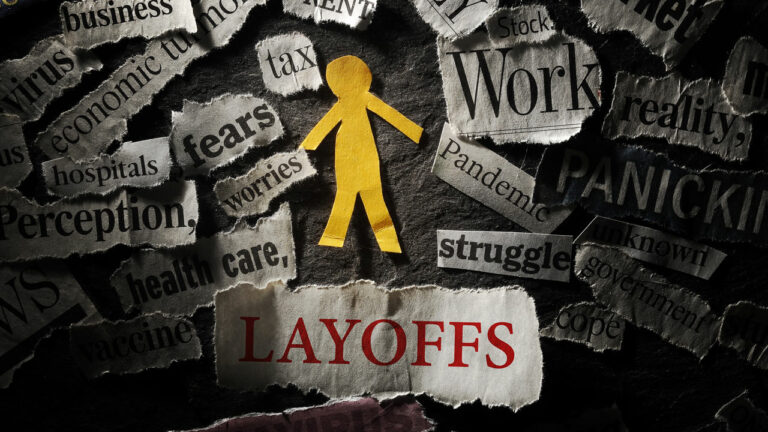
The decision to undertake layoffs is never an easy one. It can create profound ripple effects, both within your organization and in the lives of the affected employees. As a leader, your responsibility is to minimize these adverse effects as much as possible and handle the process with utmost integrity and professionalism. This article explores…
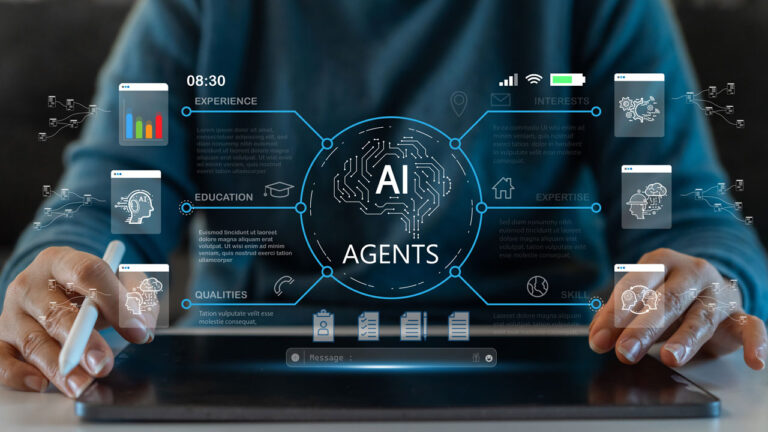
Crisis management has always required speed, clarity, and coordination under pressure. Yet many organizations still rely on manual processes, static plans, and inconsistent training approaches. As threats become more complex, ranging from cyber incidents to geopolitical disruptions – the need for faster, more adaptive response capabilities has never been greater. Artificial Intelligence (AI) agents are…
Add your first comment to this post